
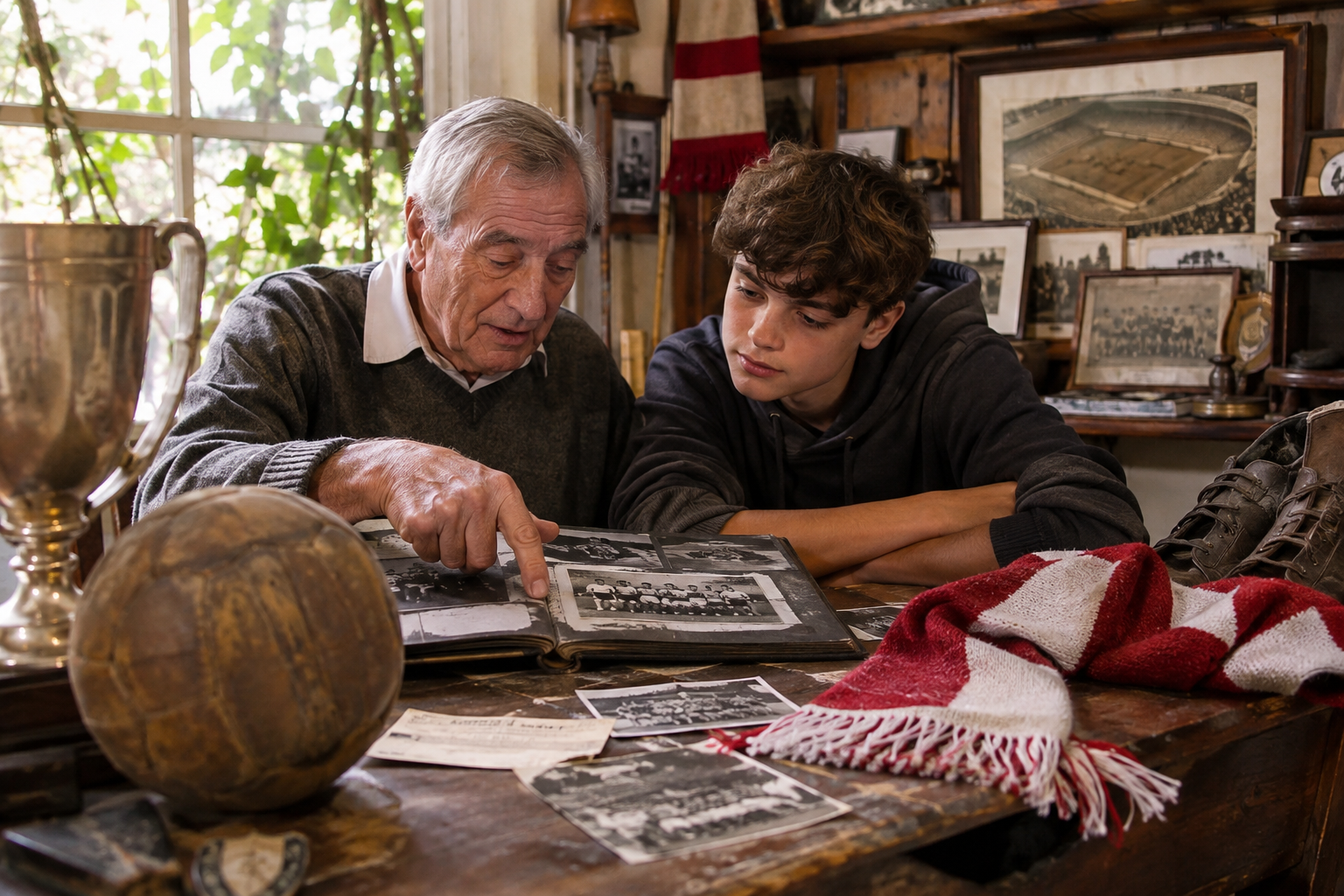
Football is constantly changing, yet its strongest traditions remain remarkably durable. Stadiums are rebuilt, playing styles evolve and new generations of athletes transform the limits of the game, but the emotional connection between supporters and their teams continues across decades. Exploring the wider world of Gooool365 football can begin with an appreciation of this relationship: every contemporary match belongs to a much longer story shaped by historic achievements, local identities and the people who have carried their passion from one generation to another.
The history of football is not preserved only in trophies and official records. It lives in family conversations, familiar songs, old photographs, legendary performances and memories of matches that supporters still discuss years after the final whistle. These personal experiences give the sport a cultural depth that cannot be measured by statistics alone.
Football History Is Written Beyond the Trophy Cabinet
Major victories naturally occupy an important place in the history of any club or national team. Championships, continental titles and memorable finals provide clear milestones around which supporters organise their memories. Yet the identity of a football institution is rarely defined by silverware alone.
Some clubs become symbols of resilience because of the difficult periods they have survived. Others are remembered for developing young players, introducing distinctive approaches to the game or maintaining a strong connection with their local communities. A team that spends years outside the highest level of competition may still hold an important place in the cultural life of its city.
These stories explain why historical reputation can be more complicated than a list of achievements. A famous club may be admired for its international success, while a smaller institution may be cherished because generations of local families have supported it through every change in fortune.
Football history also contains moments that do not fit neatly into official celebrations. A dramatic escape from relegation, a remarkable run by an unfancied side or the emergence of a talented local player can become part of a community’s shared memory. Such events demonstrate that the meaning of a season is not always determined by the final position in the table.
The Traditions That Supporters Pass Down
One of football’s most distinctive qualities is its ability to create continuity between generations. A child may first visit a stadium with a parent or grandparent, learning the club’s colours, recognising familiar songs and gradually understanding why particular opponents are considered rivals.
The experience often begins with simple rituals. Supporters may wear the same scarf for important matches, meet friends at a familiar place before kick-off or follow a particular routine during the final minutes of a close contest. These habits can appear ordinary to outsiders, but they help establish a sense of belonging.
Traditions also change as they are passed on. Younger supporters may introduce new songs, adopt different ways of discussing football or follow teams through digital communities. Older generations contribute memories and historical knowledge, creating a conversation between personal experience and contemporary culture.
This exchange is particularly visible during important anniversaries. A club celebrating a major milestone may bring former players, long-serving employees and supporters together. The event becomes an opportunity to remember not only successful teams but also the people who maintained the institution during less celebrated periods.
The result is a form of collective memory. Football becomes something that supporters inherit, reinterpret and eventually pass on themselves.
How Playing Styles Reflect Different Eras
The football seen today is the product of decades of tactical experimentation. Formations that once seemed innovative can become standard practice, while ideas that were temporarily abandoned may return in a different form.
Earlier generations of coaches often worked with different assumptions about space, physical preparation and the responsibilities of individual positions. Over time, changes in training, sports science and tactical analysis altered how teams organise themselves. Modern players are expected to understand several roles, adjust their positioning quickly and make decisions under intense pressure.
The development of pressing illustrates this transformation. Winning possession has always been important, but contemporary teams increasingly treat defensive pressure as an organised attacking tool. Rather than simply retreating and protecting space, they may attempt to force opponents into mistakes high up the pitch.
Build-up play has evolved as well. Goalkeepers are often involved in the first stages of possession, defenders are expected to contribute to progression and midfielders constantly adjust their positions to create passing options. The boundaries between traditional roles have become more flexible.
Yet modern football has not completely abandoned earlier principles. Counterattacking, compact defending, wing play and individual creativity remain central to many successful teams. What changes is the way coaches combine these elements according to the players available and the demands of particular opponents.
Comparing different eras therefore reveals more than a collection of tactical trends. It shows how football responds to changes in athletic preparation, coaching knowledge and the growing complexity of competition.
The Players Who Become Part of a Club’s Identity
Certain footballers remain closely associated with a club long after their playing careers have ended. Their importance may come from outstanding statistics, but it can also arise from leadership, loyalty or performances during especially difficult moments.
A legendary striker might be remembered for decisive goals, while a goalkeeper becomes famous for a series of extraordinary saves. A captain may leave a different legacy through consistency and the ability to unite teammates during challenging seasons. These contributions create different forms of recognition.
The relationship between a player and a club is not always straightforward. Transfers, injuries and disagreements can influence how a career is remembered. Nevertheless, the strongest sporting connections often survive these complications because supporters associate particular individuals with important periods in their team’s history.
There is also a growing appreciation for players whose influence is not immediately visible. Defensive organisers, hardworking midfielders and experienced substitutes can become essential figures in successful teams without receiving the same attention as prolific goalscorers.
When supporters revisit historic matches, they often discover why certain players became so important. Their movement, decisions and interactions with teammates reveal qualities that may be difficult to appreciate through statistics alone.
Rivalries as Part of Football’s Cultural Landscape
Rivalries provide some of the sport’s most recognisable traditions. They can emerge from geographical proximity, historical competition, differences in social identity or a series of memorable encounters. Over time, these relationships become part of how supporters understand their clubs.
A local derby is often especially significant because the two teams share the same wider community. Friends, relatives and colleagues may support opposing sides, giving the fixture a personal dimension that extends beyond the stadium. The result can influence conversations throughout the following week.
Other rivalries develop through repeated meetings in important competitions. A sequence of dramatic finals, controversial decisions or close title races can establish a lasting sense of sporting opposition between clubs from different countries.
The intensity of these fixtures should not obscure their cultural value. Rivalries preserve historical context and create occasions that supporters anticipate long before the teams meet. They also provide a way for new generations to learn about earlier periods in a club’s development.
The strongest traditions are sustained when competition remains connected to respect for the game. Passion gives football its energy, but the sport’s wider appeal depends on the ability of different communities to share the same occasion without losing sight of its sporting purpose.
Why Historic Matches Deserve to Be Revisited
Football memories often become more meaningful with time. A match that initially seemed like one result among many may later be recognised as a turning point in a club’s history or an important moment in a player’s development.
Revisiting complete matches can reveal details that are easily overlooked when memories are reduced to a final score or a collection of goals. A famous comeback may have begun with a subtle tactical adjustment. A decisive goal might have followed several minutes of growing pressure. A team remembered for its attacking quality may also have relied on an exceptionally disciplined defensive structure.
Historical viewing can also challenge familiar assumptions. Supporters may discover that a celebrated side used a more cautious approach than its reputation suggests, or that a supposedly one-sided final contained periods of genuine uncertainty.
These discoveries are valuable because football history is often simplified over time. Memorable images and dramatic commentary can become the dominant version of an event, while the full sequence of play offers a more balanced understanding.
For younger supporters, revisiting older matches provides a connection with periods they did not experience directly. For those who remember the original events, it can bring back the atmosphere and reveal new details that were not obvious at the time.
New Generations Are Changing the Way Football Is Remembered
The relationship between football and memory is evolving alongside technology. Earlier generations often relied on television recordings, newspaper reports and personal recollections to revisit important matches. Today’s audiences encounter football history through a wider variety of digital formats, including archived footage, tactical discussions, interviews and online communities.
This wider access changes how supporters learn about the sport. Someone discovering a club for the first time can explore its historic players and major achievements without depending entirely on family stories or local knowledge. A young fan can compare different generations of footballers and develop an understanding of how the game has changed.
At the same time, digital culture creates new forms of shared memory. A classic goal may circulate among supporters decades after it was scored, while discussions about a historic tournament can bring together people who watched it live and those discovering it for the first time.
There is a risk that football history becomes reduced to isolated clips and simplified rankings. However, when digital material encourages deeper exploration, it can strengthen the connection between the sport’s past and present.
The challenge is to preserve context. A famous moment becomes more meaningful when viewers understand the competition, the teams involved and the circumstances that made the event significant.
The Future of Football Depends on Its Roots
The sport will continue to change. New coaching methods, evolving player development systems and technological innovations will influence how teams prepare and compete. The international movement of players will introduce fresh ideas, while emerging football communities will add new voices to the global conversation.
Yet progress does not require football to abandon its traditions. The strongest clubs often find ways to combine modern organisation with a clear understanding of their history. They can invest in youth development while preserving connections with local supporters, adopt new tactical approaches while respecting established identities and reach international audiences without losing their sense of place.
The same balance applies to national teams and domestic competitions. Their future success will depend partly on their ability to adapt, but their cultural importance will continue to rest on the communities that support them.
Football’s legacy is therefore not a fixed collection of old achievements. It is an ongoing story in which every generation contributes something new. Historic victories provide inspiration, traditions create continuity and contemporary players shape the memories that future supporters will inherit.
The game may look different in another twenty years, but its essential appeal is likely to remain familiar: the anticipation before kick-off, the uncertainty of competition and the shared emotion of people who care deeply about what happens on the pitch.